

Custom batteries for building automation systems
For over 30 years, we have been supporting projects for demanding applications. We design and manufacture custom battery packs for rechargeable and primary power solutions, with technical teams based in France, the United Kingdom and Spain.
In building automation and infrastructure, our approach has a simple aim: to define, based on your specifications, an energy solution tailored to your equipment, its environment, its backup or maintenance function, and its expected lifespan.
The challenge is to align technology, product integration, operational reliability and service continuity from the outset.


Equipment for control, measurement, monitoring and energy management requires different trade-offs depending on the expected lifespan, frequency of use and backup functionality.
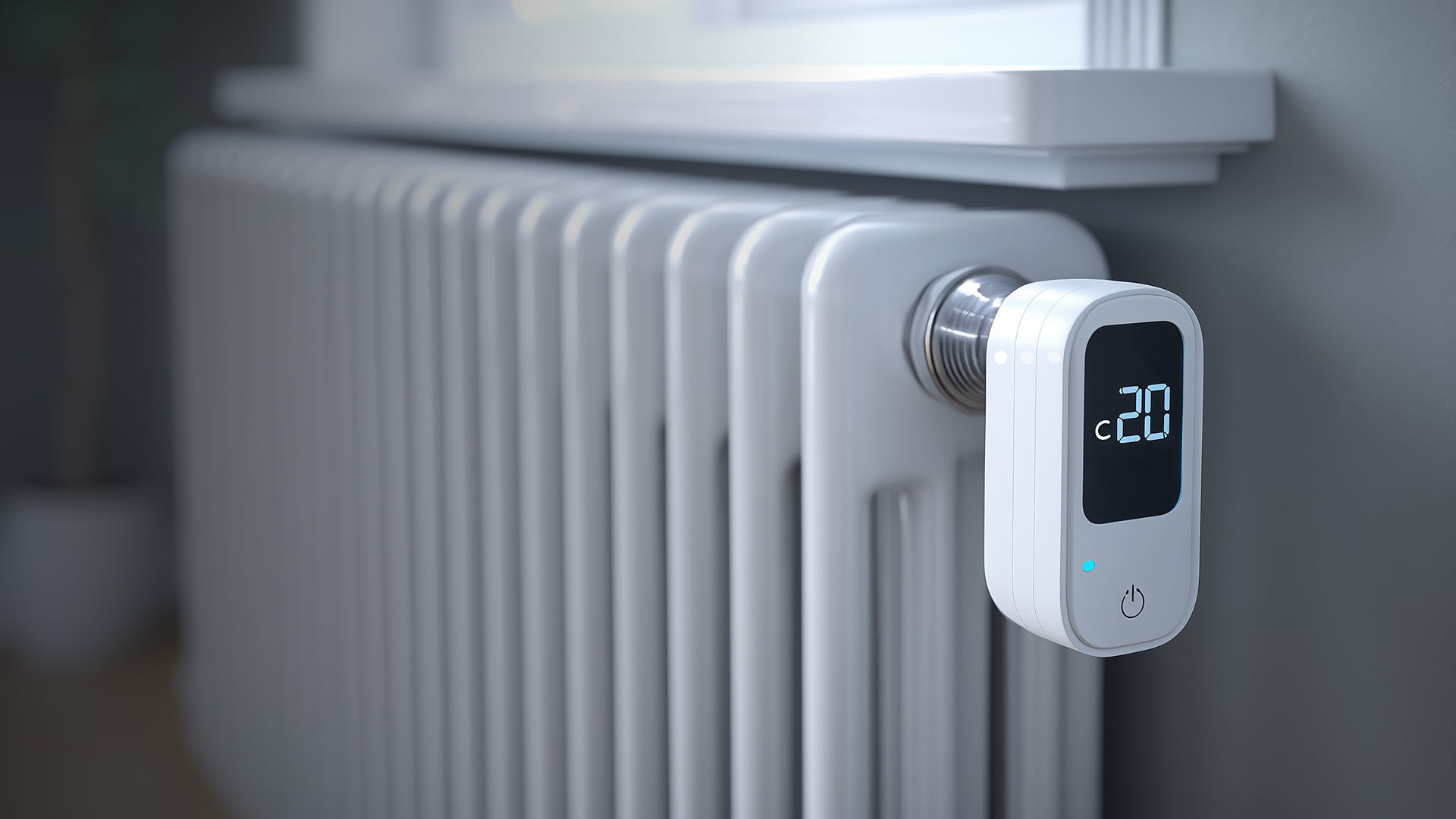
● Connected thermostats and thermostatic heads
● Connected electric radiators
● Connected air conditioning and heat pumps
● Connected valves, smart water meters
Motorised systems primarily raise issues relating to emergency operations, power consumption, operational reliability and environmental resilience.
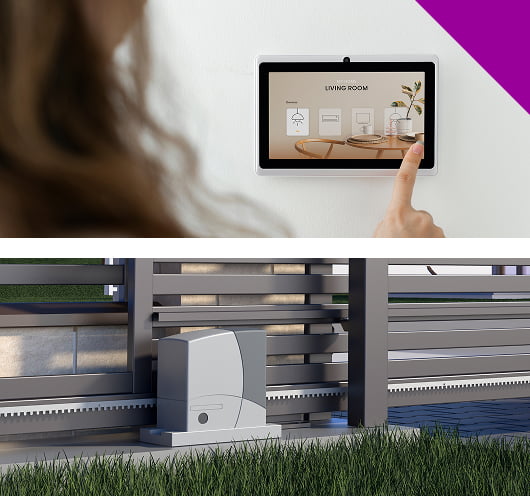
● Smart roller shutters, blinds and sunshades
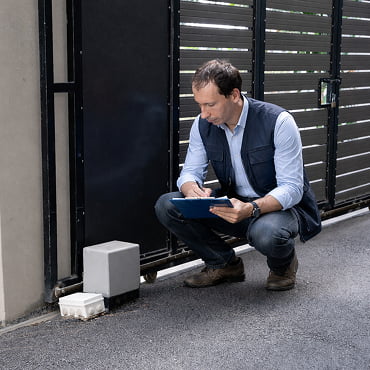
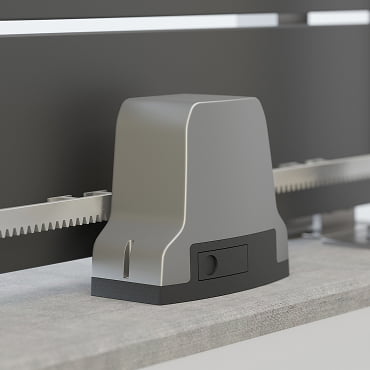
● Smart gates, garage doors and side gates
● Barriers, turnstiles and automatic doors
● Smart door locks and cylinders
operational safety
Infrastructure equipment is subject to a different set of design criteria, with requirements relating to availability, operational safety and integration into wider systems.
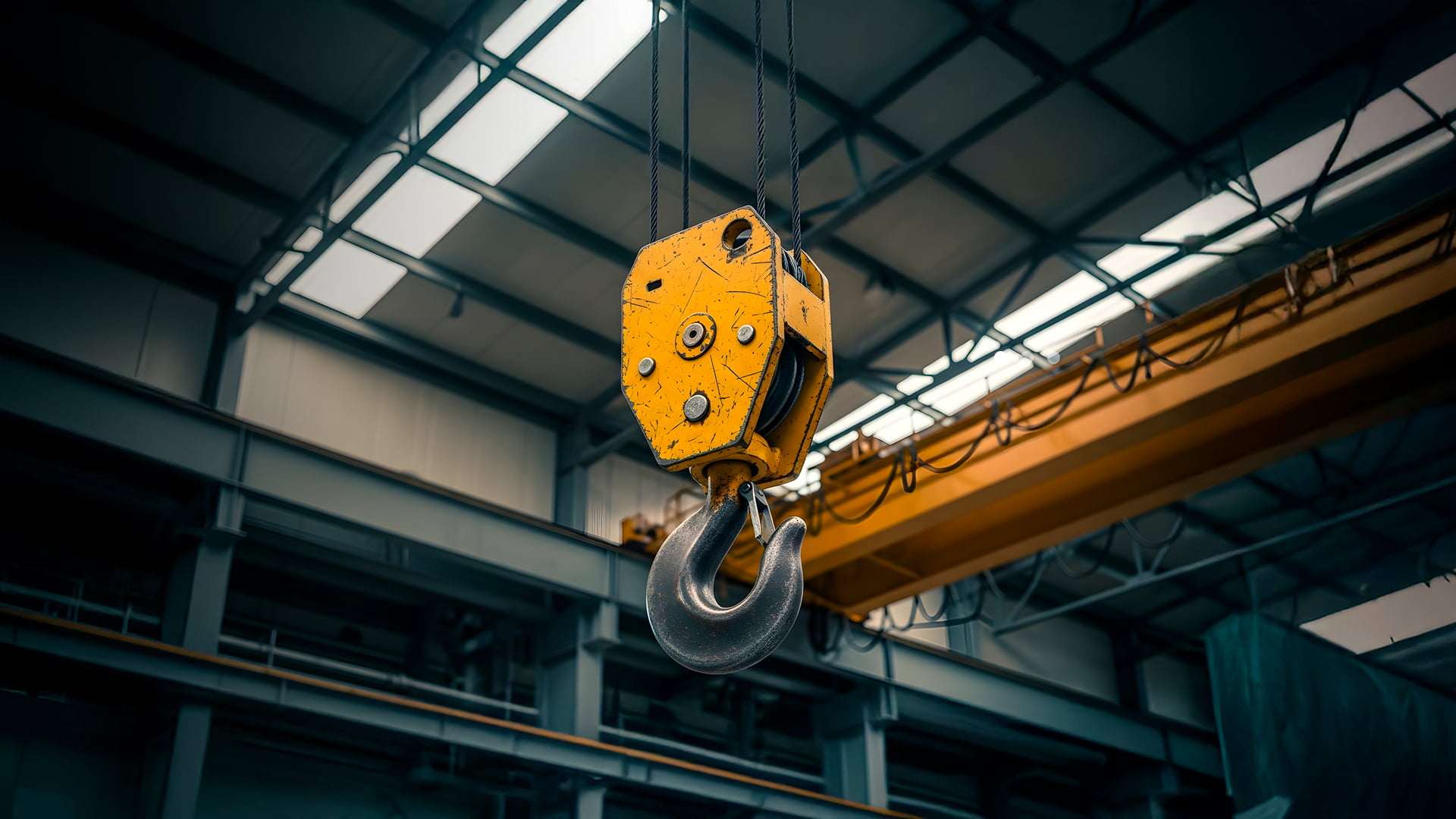
● Overhead cranes
● Vehicle lifting equipment
● Solar charging stations with load control
● Controllable electric vehicle charging points
Recognised expertise
amongst key players in the building automation & infrastructure sectors
In this context, the battery is not always intended to power the equipment during normal operation. It is often used as a backup power source, to maintain functionality, or to provide occasional power to products that remain connected to the mains or are rarely used for most of the time.
This is precisely what makes these applications so demanding. A backup battery for a gates, automatic doors, barriers, roller shutters, sensors, smart meters or control systems may see little use on a day-to-day basis, yet must still guarantee a reliable response after several years of operation.
Two pieces of equipment that appear similar may therefore require very different architectures depending on:
- The trip current
- The expected retention period
- Temperature and ageing conditions
- Integration constraints
- The chosen maintenance strategy
Our design process
From specifications to production
We follow a structured process to transform your requirements into a custom backup battery system for building automation and infrastructure – one that is reliable, certifiable and scalable. Each stage paves the way for the next. Issues relating to compliance, integration, service continuity and lifespan are addressed right from the start of the project.

Architectural review and scoping of constraints
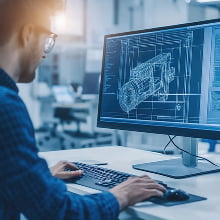
We begin by analysing your requirements document or the technical specifications provided: available space, interfaces, application, power consumption, current draw, hold time, charging strategy (where applicable), operating environment and target markets.
This phase is crucial in any battery design for building and industrial automation. It enables us to identify the key design choices — chemistry, cells, pack architecture, protection circuits, associated electronics, mechanical and electrical interfaces — and to define a realistic roadmap for performance, validation and industrialisation.

Approve the chosen architecture
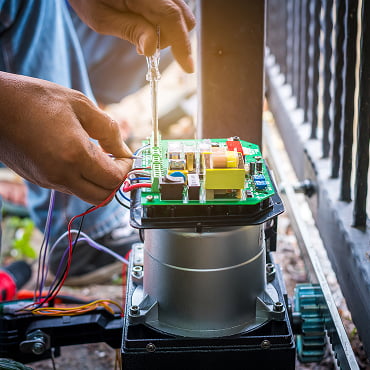
We design and manufacture prototypes to validate the solution against the specifications and finalise the design before moving to production. We generally offer two prototypes:
• 1 ENIX prototype: intended for configuration tracking, design iterations and consolidation of the specification document;
• 1 client prototype (testing): intended for integration and testing carried out by your teams, directly in your equipment and according to your operational scenarios.
The preliminary study and prototyping phases enable us to verify that the solution meets the application’s requirements: energy, power, integration, interfaces and expected behaviour. This stage is essential for ensuring the reliability of a custom battery for automation systems or a battery pack for infrastructure equipment prior to industrial production.

requirements
The compliance of a backup battery depends on the product, its intended use and the countries in which it is sold.
From the preliminary design phase onwards, we incorporate the relevant requirements to ensure the security of the chosen architecture, the associated documentation and the path to market.
Our batteries will be certified in accordance with European standards (CE, UN38-3, UKCA, etc.). Depending on your application, the framework may include requirements relating to safety, durability or constraints specific to certain export markets.
Additional standards and local requirements are assessed on a case-by-case basis, depending on the marketing objectives and product integration constraints.

From prototype to consistent quality at target volume
Industrialisation aims to achieve controlled production, with consistent quality, at the expected volume: specification, qualification, then production.
We manage the scale-up from small-batch production to industrial-scale production, focusing on manufacturing stability, the reproducibility of the solution and consistency with the validated specification, whether it be a backup battery for automation equipment or a battery more fully integrated into an infrastructure architecture.

Validation under real conditions
At the end of the production process, we test and approve the batteries in accordance with your specifications.
Technical design:
Our 3 main axes
Choice of chemistry/cells: consistency with the specifications
The choice of technology is based on the requirements or technical specifications provided by your teams. We design the solution according to various criteria, taking into account your application, current draw, hold time, thermal conditions and the target service life.
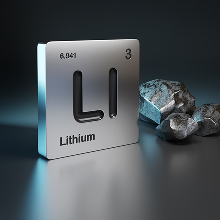
Depending on the application, the architecture may be based on NiMH, Li-Ion, LiFePO4 or primary lithium chemistries where the requirement is for very low demand with a need for long-term durability.
Package architecture / integration: consistency with the equipment
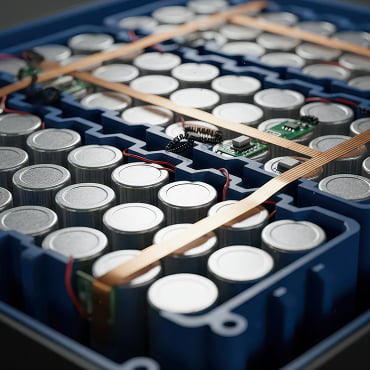
The package is defined based on the integration requirements set out in your specifications: available space, mechanical and electrical interfaces, assembly conditions, accessibility and operating environment. The pack’s format, the choice of cells and the interconnections are determined in line with the equipment, whether it be an automation system, a control system, a sensor or infrastructure equipment.
Protection / BMS: determining the appropriate level of management
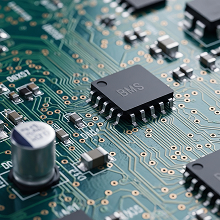
The protection level, the associated electronics and, where the application requires it, the BMS, are defined on the basis of the operational requirements provided: charge/discharge management, electrical protection, balancing, monitoring or interfaces with the product’s electronics.
The aim is to specify an architecture consistent with the expected operational behaviour, whether it be a backup battery for automation systems, a float battery or a battery pack for infrastructure equipment.
A European manufacturer
dedicated to your bespoke projects
Enix Power Solutions is part of a pan-European organisation, with offices in France, the United Kingdom and Spain, within the UPERGY Group, which is certified to ISO 9001, ISO 14001 and ISO 13485.
This organisation guarantees seamless project management, from design to manufacture, within a quality framework tailored to the expectations of European markets.
Are you developing building automation equipment, an automation system or an infrastructure application?
An initial technical review enables us to quickly identify the key design choices for the project: chemistry, sizing, battery pack integration, protection level or BMS, validation procedures for your equipment, and requirements relating to transport or the target markets.
Whether it is a custom battery for automation systems, a backup battery for smart buildings or a battery pack for infrastructure equipment, this consultation enables us to define the project’s scope on a clear basis, based on your specifications.
Advantages of using Enix Power Solutions for your project:
- Bespoke solutions built to your specification
- Design & Characterisation
Speak to a member of our OEM specialist team about custom drone batteries
- Contact Form
- UK: +44 (0) 121 506 8610
- Custom Battery Pack Enquiry