





Custom Batteries
for Scientific & Technical Instrumentation
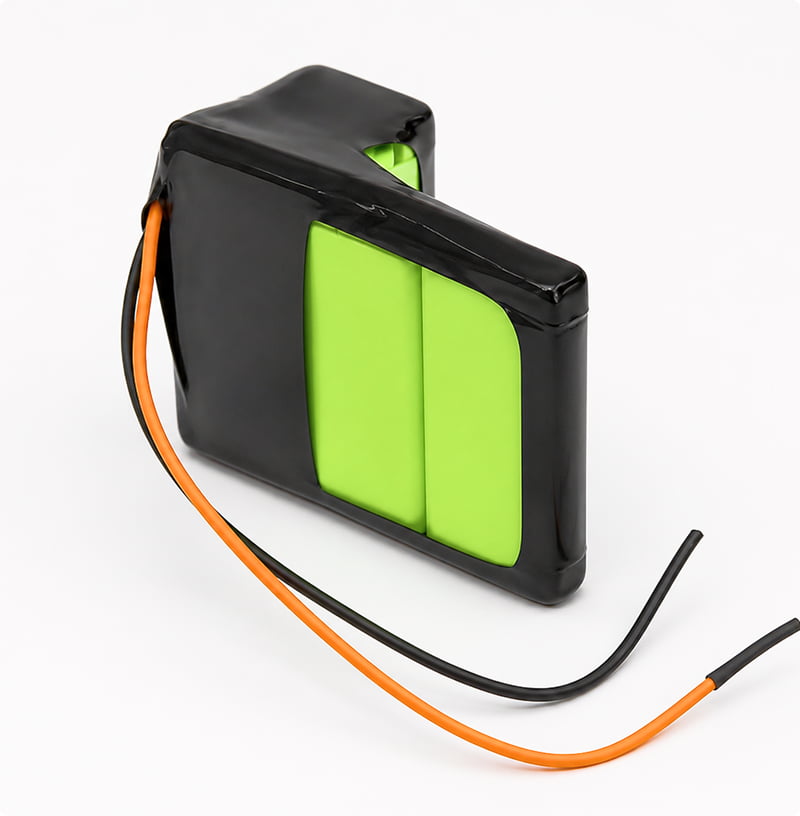
For over 30 years, Enix Power Solutions has been designing custom battery packs for scientific, technical and industrial instrumentation.
Our solutions meet the requirements of equipment used for measurement, analysis, data logging and data transmission, whether in laboratories, on industrial sites, outdoors or in remote locations. This expertise covers the design of bespoke instrumentation batteries, from the initial needs analysis through to the manufacture of the pack.
Each project is assessed on the basis of the specifications: battery technology, pack architecture, associated electronics, mechanical integration, environmental constraints, validation requirements and market launch conditions.
We support projects operating in demanding environments: extreme temperatures, pressure, corrosion, vibrations, shocks or limited maintenance.
Applications
- SCADA, pressure, temperature and vibration sensors
- Seismic recorders and offshore data loggers
- Salinity analyser and current measurement
- Standalone sensors, industrial IoT sensors and long-life measurement equipment
- Medical equipment, capnographs, endoscopes and Holter monitors
Batteries for extreme conditions: pressure, corrosion, vibrations
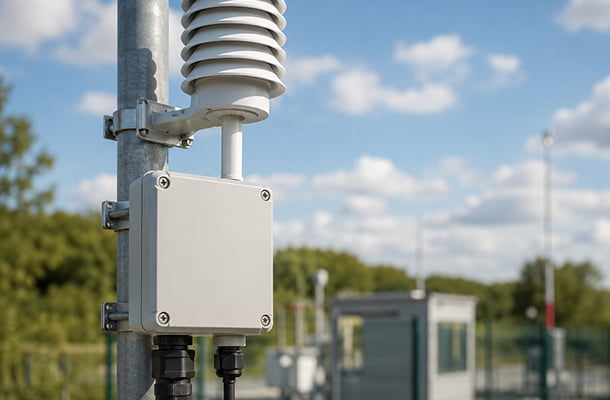
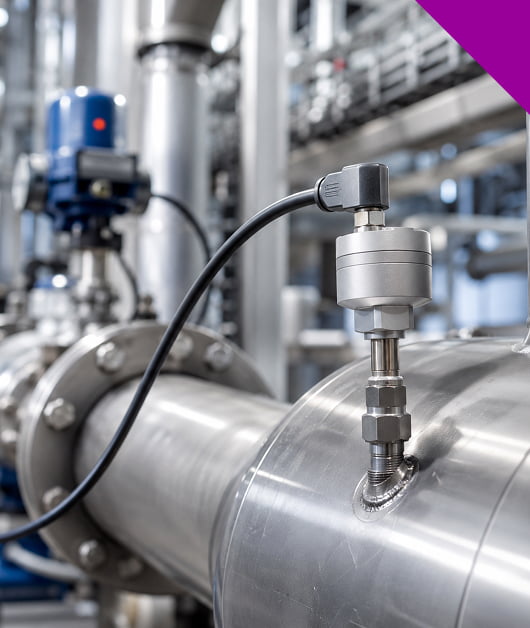
We develop custom batteries for indoor and outdoor instrumentation applications exposed to harsh environments.
These solutions are designed to meet demanding operational requirements, with a battery architecture tailored to the equipment, its environment and the duration of the mission.
These constraints are factored in right from the design stage. They directly influence the choice of battery chemistry, the pack design, the level of waterproofing, the materials, the interfaces and the protective measures selected.
As a European manufacturer, Enix Power Solutions designs this type of battery based on the specifications, in line with the application, from the pack architecture right through to the conditions for mass production.
Our instrumentation batteries can be designed to withstand:
- Extreme temperatures
- High pressure (subsea/downhole)
- Corrosion, with protection levels and enclosures designed with special coatings to suit the environment
- Vibrations and shocks
- Remote areas, with configurations allowing for up to 10 years without maintenance, depending on the usage profile
Our design process
From specifications to production

Architectural review and scoping of constraints
We begin by analysing the specifications and the available data: mechanical envelope, interfaces, usage profile, power consumption, mission duration, operating conditions, maintenance or recharging strategy, as well as target markets.
The aim is to identify the key design choices for the project: technology and cells, battery pack architecture, mechanical integration, protection rating, electrical interfaces, validation criteria and market launch constraints.
This phase enables a realistic roadmap to be established, taking into account expected performance, conditions of use and the future move to production.

Validation with your equipment
We then design an initial battery solution tailored to the project’s specific context, before moving on to a prototyping phase to verify that it works with the actual equipment.
We generally offer two prototypes:
• 1 ENIX prototype: intended for configuration monitoring, design iterations and consolidation of the definition file.
• 1 Client prototype (testing): intended for integration and testing in real conditions by your teams, directly in your application and according to your operating scenarios.
This phase enables the solution to be validated against the specifications: energy performance, integration into the product, interfaces, environmental performance, conditions of use and initial feedback from the field. It also serves to fine-tune the architecture before production begins.

requirements
The compliance of a custom instrumentation battery is defined according to the product scope, the target sector and the countries in which it is to be marketed.
From the scoping phase onwards, we incorporate the applicable requirements in order to ensure the security of the solution’s architecture, the associated documentation and the path to market. Depending on the project, this may include transport constraints, sector-specific requirements or specific expectations relating to the target market.
Additional standards are then assessed on a case-by-case basis according to the application, the operating environment and the marketing objectives.

From prototype to consistent quality at target volume
Industrialisation aims to achieve stable manufacturing that is consistent with the approved specification and tailored to the target volume.
We support the transition from prototype to series production by ensuring continuity between design, validation and manufacturing, in order to guarantee consistent quality, from small-batch production through to higher-volume production.
Technical design:
Our 3 main axes
Technology and cells
The choice of technology depends on the expected behaviour of the system and the way in which energy is to be supplied, stored or replenished over time.
Depending on the project, we can tailor the design towards primary solutions for highly autonomous applications or those that are difficult to maintain, or towards rechargeable solutions where the operation involves cycles, integrated recharging or more dynamic energy management.
The final choice is made on the basis of the application and the constraints set out in the specifications, rather than on the basis of a general preference for a particular chemical system.
Battery pack architecture and integration
The shape, casing, weight, mounting, cables, accessibility for maintenance and connectivity are an integral part of the design.
In instrumentation, a well-designed battery must integrate seamlessly into the final product, without compromising assembly, watertightness or mechanical strength.
Associated electronics
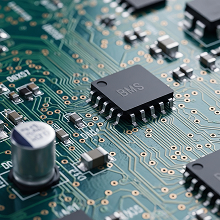
Depending on the chosen architecture and chemistry, the electronic functions relating to management and protection are integrated into the battery, in particular via a BMS.
Quality, traceability
& applicable requirements
Enix Power Solutions is part of a pan-European organisation, with offices in France, the United Kingdom and Spain, within the UPERGY Group, which is certified to ISO 9001, ISO 14001 and ISO 13485.
This organisation guarantees seamless project management, from design to manufacture, within a quality framework tailored to the expectations of European markets.
Industrial evidence to be
incorporated into the project
- Partnerships with leading manufacturers
- Batteries available from stock in our European warehouses
Thanks to our European warehouses, we are able to offer a wide range of batteries available from stock, in various formats, technologies, capacities and voltages. This stock availability is complemented by our ability to design and manufacture custom battery packs, in both small and large batches, tailored to the technical requirements of each project.
- Small and large-scale production
- European custom battery pack manufacturer
Custom battery solutions by application
and technical approach
Are you developing scientific, technical or industrial instrumentation?
An initial technical review enables us to quickly identify the key design choices for the project: chemistry, sizing, battery pack integration, protection level or BMS, validation procedures for your equipment, and requirements relating to transport or the target markets.
Whether it is a bespoke battery for automation systems, a backup battery for smart buildings or a battery pack for infrastructure equipment, this consultation helps to establish a clear framework for the project, based on your specifications.